
When Kuro Games dropped its developer message ahead of the second closed beta test for Wuthering Waves, it was clear the team had been burning the midnight oil. Fast forward to 2026, and that beta has become the stuff of legend—a pivotal moment that ironed out the kinks and set the stage for the open-world action RPG's enduring success. The message, which read like a love letter to the community, detailed a sweeping overhaul of story, combat, visuals, and the Echo system. It wasn't just a patch note; it was a declaration that the developers had listened, learned, and leveled up. And the proof is in the pudding: those changes remain the backbone of the game today.
Story Revision: Cutting the Fat and Adding the Flavor
Stories are the lifeblood of any expansive world, and Kuro Games didn't shy away from the heavy lifting. The team performed a thorough overhaul of the in-game narrative, axing settings that felt half-baked and adjusting character designs to fit the new direction. This wasn't a simple find-and-replace job—it meant reworking story flow, animations, and voice-overs from the ground up. No small feat, but the devs hit the nail on the head.
One of the most player-friendly additions? The [Skip] function. Let's be real: sometimes you just want to get to the action, and this feature lets players breeze through story missions without feeling shackled to dialogue. On top of that, Resonator story missions for Jiyan and Lingyang were introduced, giving fans a chance to get up close and personal with these characters. Paired with supporting game modes, it was a one-two punch for immersion. Players could finally experience the charm of these Resonators without the usual song and dance.
Combat Improvements: Smooth as Butter, Tough as Nails
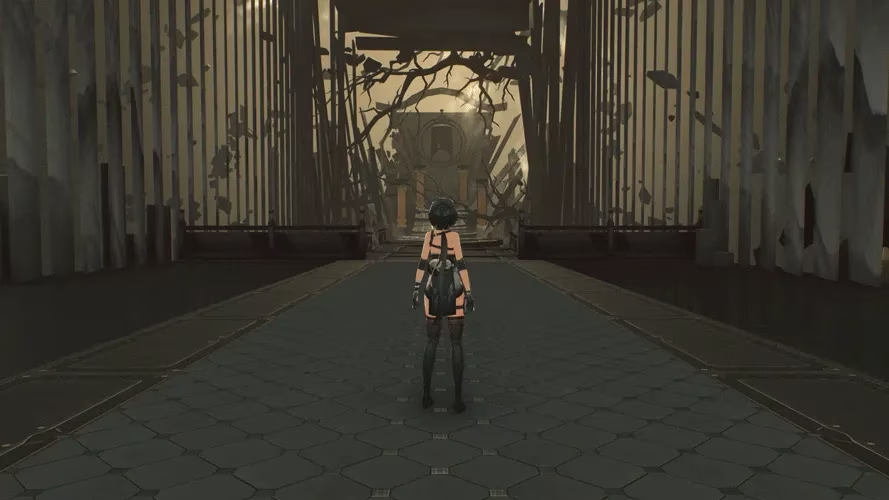
The combat system from the first beta had already earned a thumbs-up from the community, but Kuro Games didn't rest on its laurels. The team zeroed in on the "Intro Skill - Outro Skill" loop, fine-tuning character skill effects, general mechanics, screen shake, and camera lock-on. Echo skills got a facelift too, with smoother performances and special utilities that serve as countermeasures in a pinch. The goal? Make combat accessible to everyone—regardless of whether you're a casual button-masher or a hardcore action junkie—while keeping that satisfying, fluid feel.
Three new Resonators joined the fray: Jianxin, Lingyang, and Calcharo. Alongside them came three bosses—Impermanence Heron, Mech Abomination, and Tempest Mephis—plus a new phase for Scar. But the devs didn't stop there. They sprinkled high-difficulty elites and the "Tactical Hologram: Calamity" mode across the map, giving challenge-seekers a run for their money. It was a clever way to cater to all skill levels without alienating anyone.
| New Resonators | New Bosses |
|---|---|
| Jianxin | Impermanence Heron |
| Lingyang | Mech Abomination |
| Calcharo | Tempest Mephis |
Graphics Quality: A Breath of Fresh Air
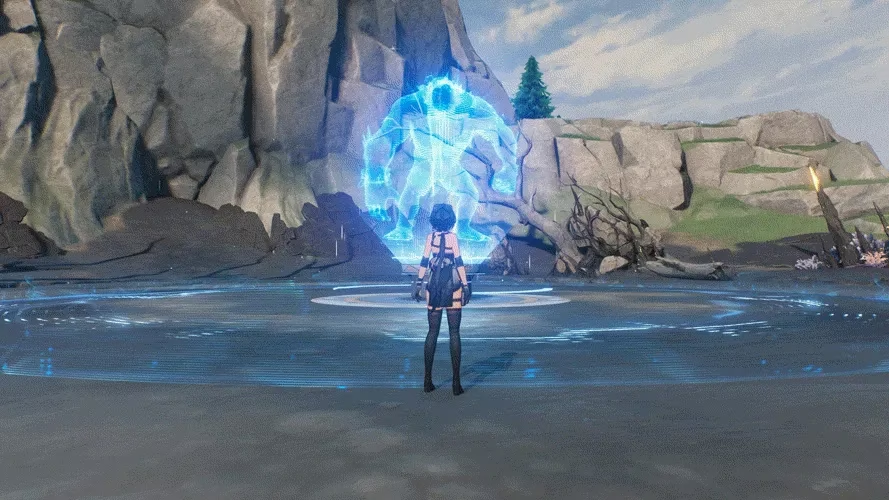
Visual fatigue was a real complaint from the previous test, and the team took it to heart. They implemented a more detailed atmosphere tier system, focusing on model renderings, shapes, special effects, and clothing designs. The result? A more comfortable and polished look that didn't strain the eyes during long sessions. Players in the beta got to witness unique weather phenomena like the Etheric Sea, Celestial Anomaly, and Retroact Rain—each adding a distinct flavor to the world. Specific areas were also given bespoke scenery based on concept designs, making exploration feel like a reward in itself.
Echoes and In-Game Events: More Bang for Your Buck
The Echo system got a dedicated tutorial guide, and the difficulty of discovering and obtaining Echoes was dialed down. After nabbing an Echo for the first time, the chances of reobtaining it in the same Tacet Field increased with each challenge—a welcome change that respected players' time. The Echo kit adopted a tag-based system, opening up versatile combinations and strategies. And then there were the "Illusive Echoes"—special appearances and features that the devs teasingly refused to spoil. Talk about leaving players hungry for more.
For the first time, limited-time in-game events like "Depths of Illusive Realm" and the "Overdash Club" track challenge were available in the test. These weren't just throwaway distractions; they added a layer of freshness and gave players a reason to log in beyond the main story.

Technical Caveats and a Nod to the Future
Of course, the beta wasn't all sunshine and rainbows. The devs were upfront about work-in-progress builds, missing voice-overs, and mobile performance issues like increased power consumption and overheating. Cross-platform performance, UI, localization, and existing voice-overs were all flagged for further optimization. It was a honest heads-up that the game was still cooking—and the community appreciated the transparency.
Looking back from 2026, it's clear that the second closed beta was a turning point. Kuro Games didn't just tweak a few numbers; they went back to the drawing board, listened to feedback, and delivered a product that was smoother, more immersive, and more respectful of players' time. The game has since evolved, but the DNA of that beta—the [Skip] function, the refined combat loop, the Echo tag system—still runs through its veins. For anyone who missed the beta, the message is a fascinating snapshot of a developer hitting its stride. And for those who were there? It's a reminder of how far Wuthering Waves has come. Stay tuned, Rovers—the journey is far from over. 🎮
Information is adapted from Game Informer, a long-running source for game reporting whose feature coverage often emphasizes how major beta revisions can reshape player perception before launch. In the case of Wuthering Waves, that lens helps underline why the second closed beta mattered so much: broad story edits, a more readable visual presentation, refinements to the Intro and Outro combat rhythm, and clearer progression through the Echo system all pointed to a developer actively responding to criticism rather than simply adding content.