
Ren had heard the stories about Wuthering Waves long before he returned to it in 2026. The launch had been rocky, the early weeks were haunted by lag, stutter, and audio that cut out at the worst possible moment, and even experienced players had watched their frame rates collapse after entering Jinzhou city. Two years later, the game had grown, but Ren still remembered the lesson that had saved his sanity: not every problem in a beautiful open world begins with the player's PC. Sometimes, the culprit is the server itself.
He had been exploring the windswept plains when the familiar signs returned. His character moved as if wading through syrup. The camera stuttered. A musical cue vanished mid-battle. Ren sighed, opened his settings, and began the same quiet ritual that many Rovers had learned by heart. He knew that the permanent fix belonged to the developers, whose server team could address congestion and backend instability. But while he waited, there were still small, practical ways to make the experience smoother.
The First Suspect Was Not His PC
Ren began with the simplest question: could his machine actually run the game? He checked the Wuthering Waves system requirements, confirmed that his hardware was supported, and then turned his attention to the graphics menu. The first report he had ever read about the game's performance suggested disabling Nvidia DLSS, Nvidia Reflex, and V-Sync. He did exactly that, one option at a time.
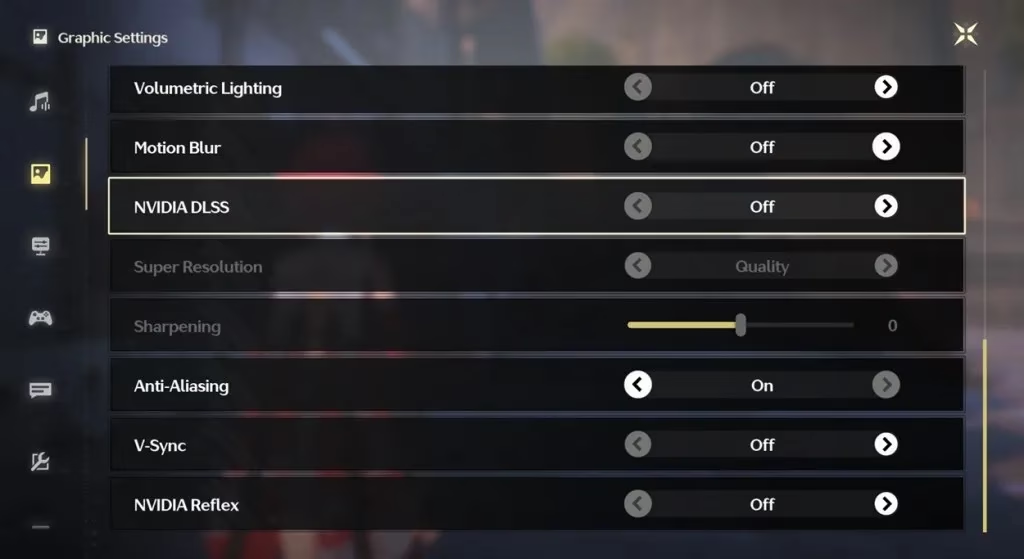
In his case, the change was not magical, but it was noticeable. The stutter softened. The input delay felt less stubborn. Ren made a mental note that these options can behave differently on different systems, so he treated them as experiments rather than universal laws. Still, for a player trying to reduce lag without touching a single line of code, it was a reasonable first step.
A Small Switch With a Big Payoff
Next came the screen mode. Ren had been playing in windowed mode out of habit, because it made switching to other apps easier. That habit, he discovered, was costing him performance. When he changed the display to full screen, the game felt more stable almost immediately. The frame pacing improved, and the stutters became less frequent. It was not a cure, but it was a clear improvement.
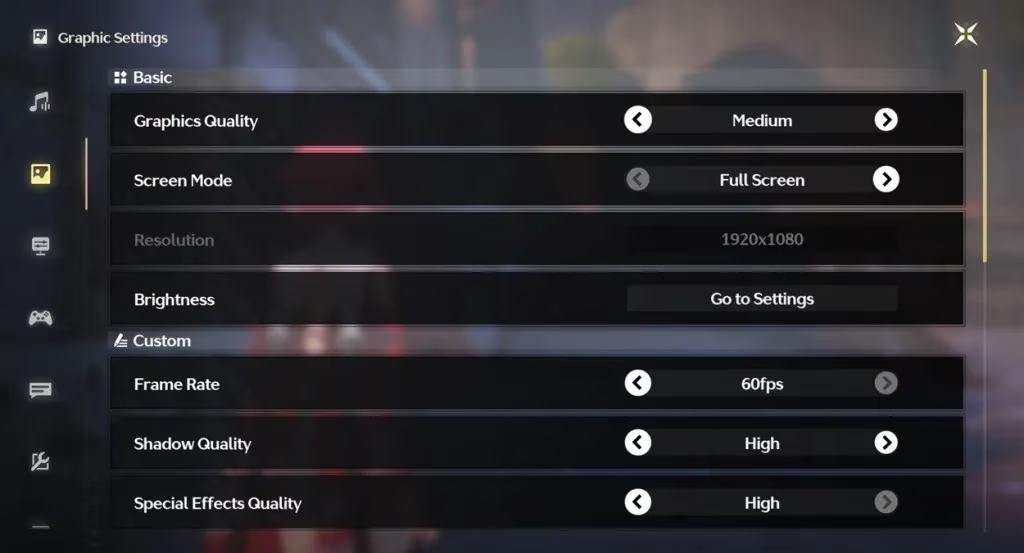
He smiled at how often the smallest changes mattered most. A windowed game may be convenient, but it also asks the system to juggle more work. For Ren, full screen became the default, and he stopped treating it as a temporary tweak.
The Cost of Beauty
Wuthering Waves is not a modest-looking game. Its skies are dramatic, its effects are loud, and its combat is built to dazzle. Ren loved that. But he also understood that visual splendor has a price. When the lag returned during a crowded sequence, he opened the graphics settings again and made a series of careful cuts.
| Setting | What Ren Chose | Why |
|---|---|---|
| Shadow Quality | Medium | Softer shadows reduced load without ruining the mood |
| Special Effects Quality | Low | Busy effects were the first thing to go during stutter spikes |
| Volumetric Fog | Off | Atmospheric fog looked lovely but cost frames |
| Lighting | Off | A small sacrifice for steadier performance |
| Motion Blur | Off | Cleaner motion and less visual noise |
| Camera Shake Intensity | Low | Calmer camera movement in Control Settings |
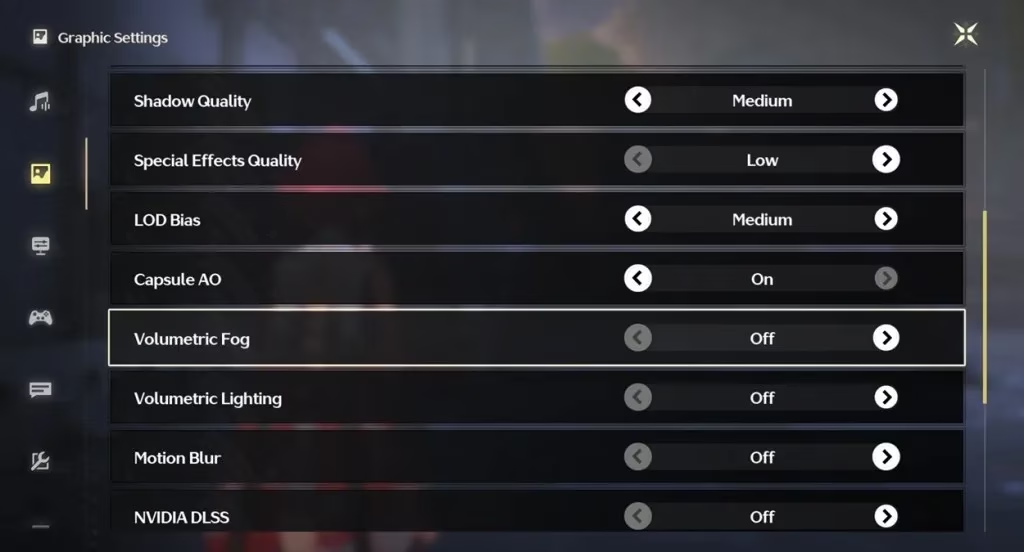
The game lost a little of its cinematic shine, but Ren gained something more valuable: consistency. He could dodge, parry, and explore without guessing whether the next frame would arrive on time. For a player who valued fluid combat, that trade was worth it.
Drivers, the Quiet Fix
There was one more step that many players forget. Ren had not updated his graphics driver in months. On Nvidia hardware, he opened GeForce Experience and let it handle the update. AMD users could do the same through the Radeon app, while Intel integrated graphics users could update Windows to pull in newer drivers. The process was not glamorous, but it was one of the oldest fixes in PC gaming for a reason.
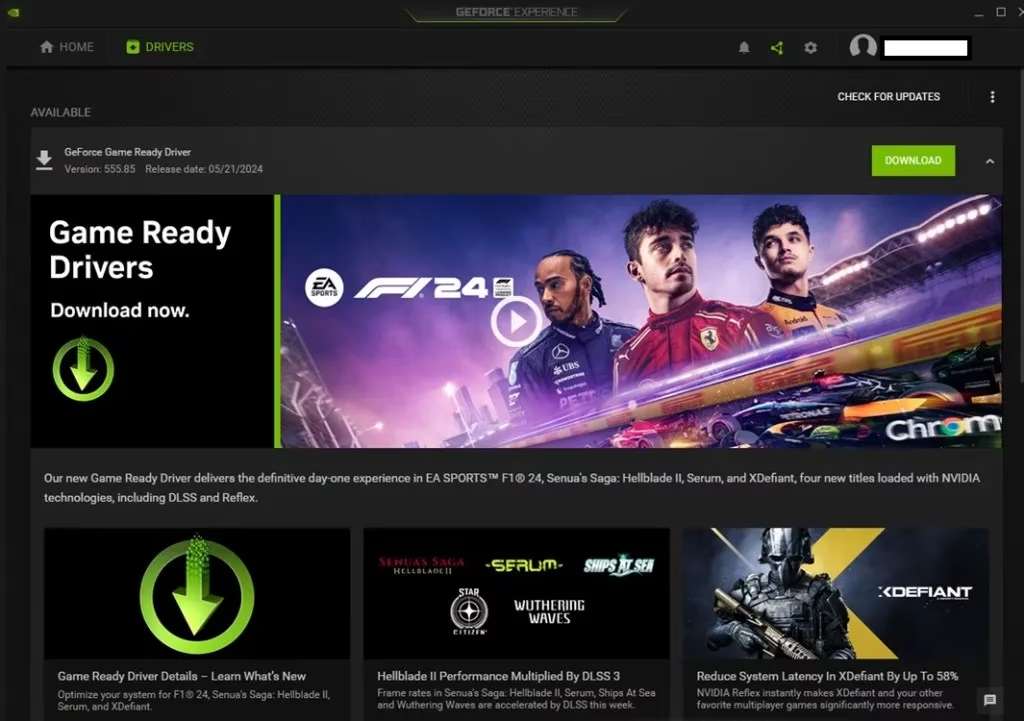
After the update, the game did not become perfect. It did not need to. Ren understood that server-side problems cannot be patched by a player's settings menu. When the backend struggled, no amount of tweaking could fully erase the lag. But the combination of full screen, disabled DLSS and Reflex, reduced visual load, and fresh drivers gave him a smoother journey through a world he still wanted to explore.
By 2026, Ren had learned to separate the problems he could control from the ones he could not. He kept his settings modest, his drivers current, and his expectations realistic. When the servers behaved, Wuthering Waves sang. When they did not, he adjusted what he could and waited for the developers to do the rest. That, in the end, was the quiet wisdom of a Rover who refused to let a little lag ruin the view. 🎮🌪️