
I still vividly recall the whirlwind of emotions when Wuthering Waves launched back in May 2024. As a dedicated RPG player, I had high hopes for this new free-to-play game from Kuro Games, touted as a rival to Genshin Impact. But oh boy, the initial days were rough. I remember logging in, eager to explore the vast open world, only to be hit by a barrage of glitches and frustrations. Why did they rush it? I wondered, as I encountered the grind-heavy Echo Development system that felt like a never-ending slog. Hours melted away as I tried to progress, only to earn measly Shell Credits due to a recycling bug – it was disheartening, to say the least. Kuro Games later admitted in their apology that they fell short, acknowledging how the launch issues dampened the experience for us "Rovers." But here we are in 2025, and I can't help but reflect on how far things have come since then.
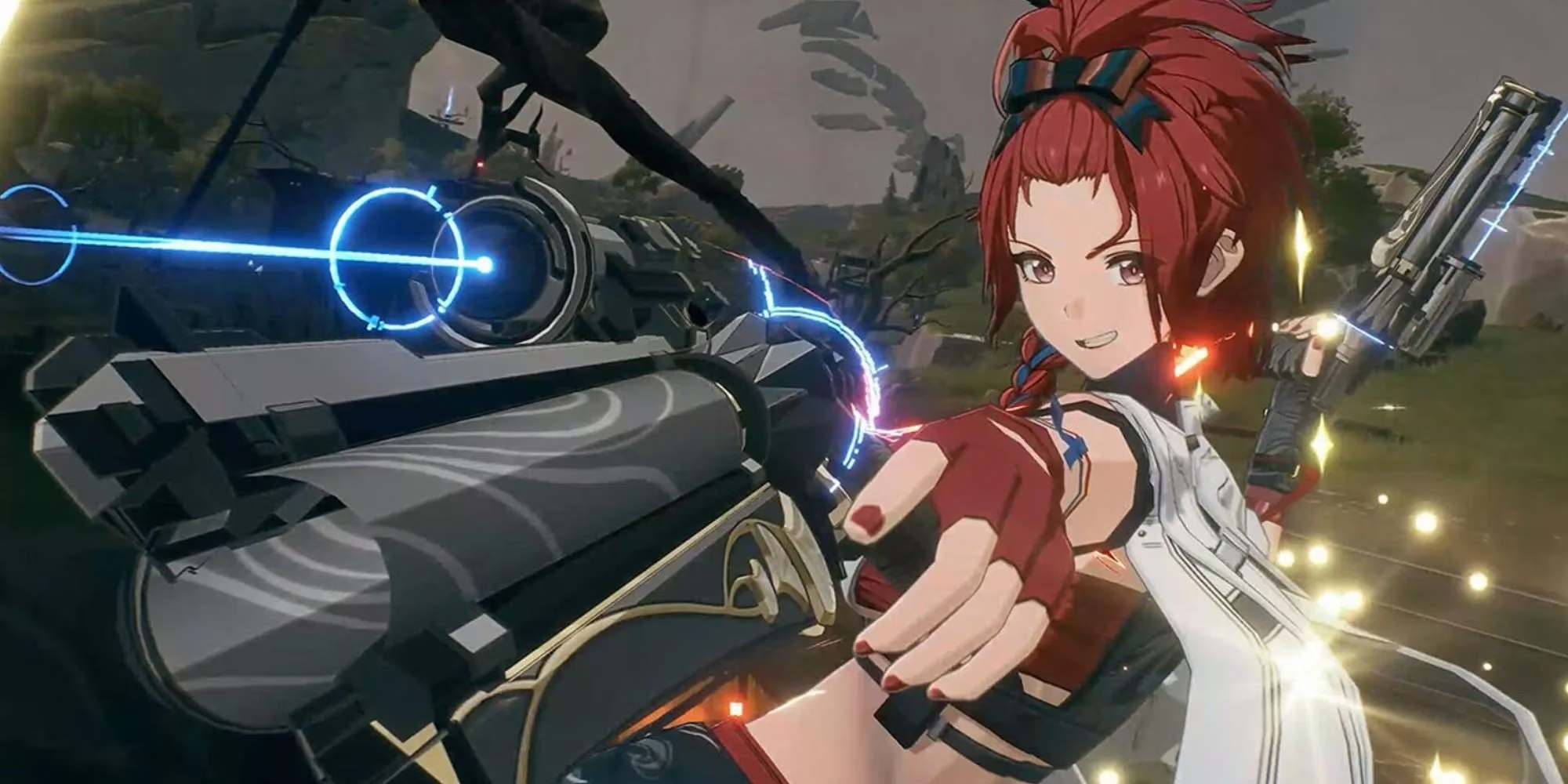
Back in 2024, the community was buzzing with complaints. The Echo system, designed for character progression, was too grindy – players like me felt stuck, constantly replaying sections without meaningful rewards. Can you believe they had a mistranslated weapon description too? It added to the confusion. Then, the Shell Credits bug struck: instead of earning fair amounts from recycling echoes, we got scraps. Kuro's response? A heartfelt apology in a blog post where they owned up to their mistakes. "We are disheartened by our inability to provide a high-quality experience," they said, promising to listen to every piece of feedback. I was skeptical at first, but their actions spoke louder. They rolled out the 'Chord Cleansing' event, doubling yields for echoes – suddenly, progression felt achievable. Plus, they compensated every player with a whopping 1 million Shell Credits. That gesture alone turned my frustration into hope; it was like a lifeline thrown to us in the chaos.
Here's a quick table summarizing the key issues and fixes from 2024 to now (2025):
| Issue in 2024 | Immediate Fix | Current Status in 2025 |
|---|---|---|
| Grindy Echo System | Double-yield 'Chord Cleansing' event | Fully reworked; smoother progression 😊 |
| Shell Credits Bug | 1 million credits compensation per player | Bug fixed; balanced economy 🤝 |
| Mistranslations | Patches for descriptions | All translations polished 🌐 |
| Live Event Duration | Adjusted timings | Events now longer and fairer ⏳ |
Fast forward to today, and Kuro Games has truly evolved. Over the past year, they've kept their word, continuously optimizing the game. I've seen regular updates that address player feedback – for instance, the Echo system is no longer a grind fest; it's intuitive and rewarding. But was it all smooth sailing? Not really. There were moments of doubt, like when new content rolled out slowly in late 2024. Yet, their commitment shone through. I remember reading their blog: "We will always strive to uphold our mission of releasing better versions." And they did! Now, in 2025, Wuthering Waves feels like a different beast – polished, engaging, and filled with vibrant characters. 😍
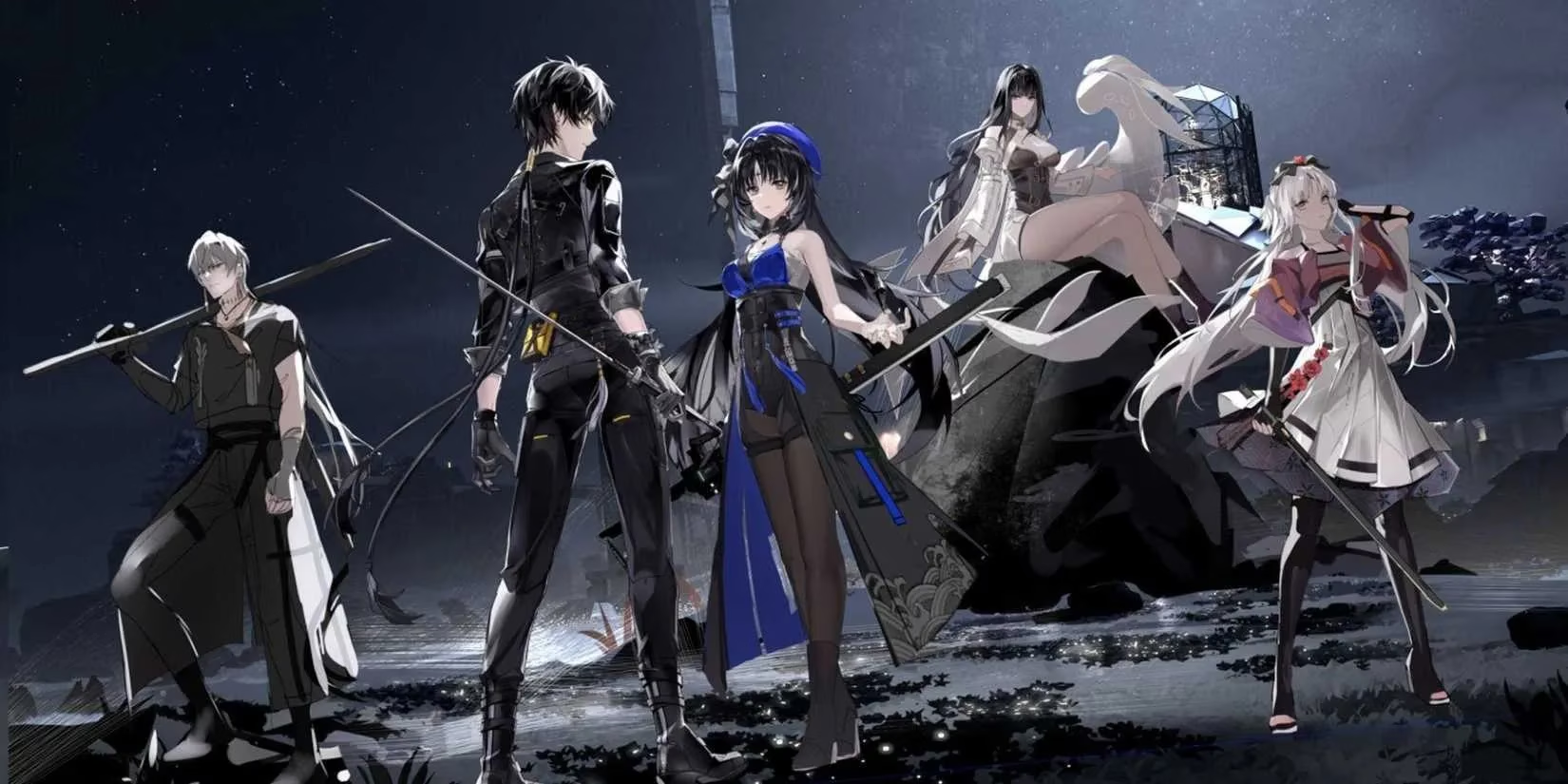
Looking back, the launch debacle taught me a lot about game development and player loyalty. Kuro's apology wasn't just words; it was backed by actions that rebuilt trust. But it makes me wonder: can a rocky start ever be fully redeemed in gamers' minds? Some friends still harbor resentment, while others, like me, have embraced the journey. The double-yield events became a staple, easing the grind and making exploration fun again. Plus, with the bug fixes, I could finally dive deep into the story without hiccups. Is this what redemption looks like? I think so. But here's the thing – in the fast-paced world of live-service games, one misstep can haunt you. Kuro's transparency set a precedent, and now, as I roam the updated world, I appreciate the resilience.
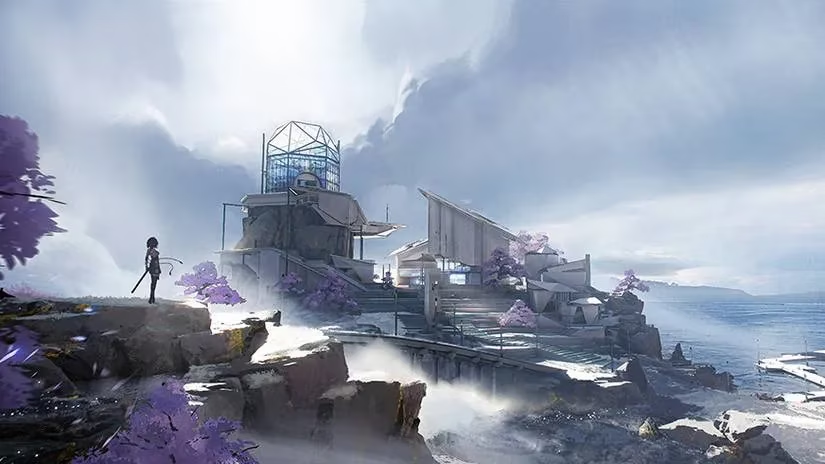
In 2025, the game has expanded with new features: 🤩
-
Seasonal events with rich lore
-
Cross-platform play enhancements
-
Community-driven updates based on polls
But the core lesson remains: player feedback is gold. Kuro's journey from apology to excellence shows that even stumbles can lead to growth. So, as I wrap up this reflection, I'm left pondering an open question: What does it take for a game to truly recover from a disastrous launch, and how can developers ensure they never repeat those mistakes?